Renewable Energy Technologies
Renewable energy technologies harness natural resources to produce clean, sustainable power. These innovative solutions are crucial in combating climate change and reducing our reliance on fossil fuels.
Solar Energy

Solar panels convert sunlight into electricity using photovoltaic cells. This technology can be deployed on rooftops, in solar farms, or integrated into building materials.
- Efficiency ranges from 15% to 22% for commercial panels
- Rapidly decreasing costs make it increasingly competitive
- Can be combined with energy storage for 24/7 power
Wind Energy

Wind turbines capture the power of moving air to generate electricity, both onshore and offshore. Modern turbines can power thousands of homes.
- Offshore wind farms can harness stronger, more consistent winds
- Turbine sizes are increasing, with some exceeding 200 meters in height
- Wind is one of the fastest-growing renewable energy sources
Hydroelectric Power
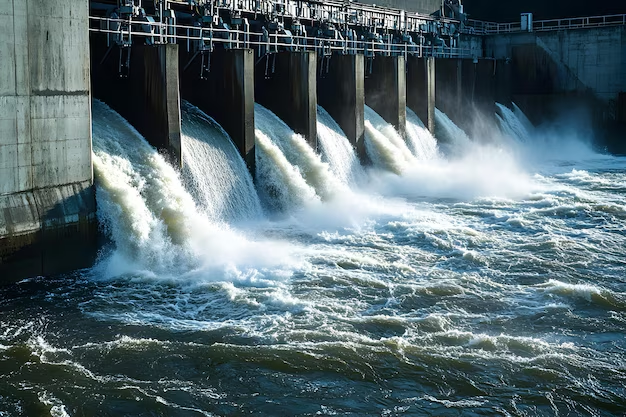
Dams and water turbines convert the energy of flowing water into electricity. It's one of the oldest and largest sources of renewable energy.
- Provides base load power and can respond quickly to demand changes
- Pumped storage systems can store energy for later use
- Small-scale hydro can power remote communities
Geothermal Energy
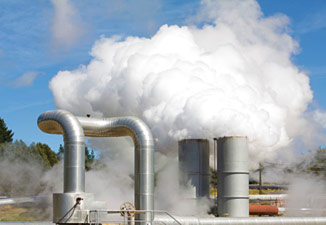
This technology taps into the Earth's internal heat to produce power and heating. It's particularly effective in areas with high geothermal activity.
- Provides consistent, baseload power
- Can be used for direct heating in addition to electricity generation
- Enhanced geothermal systems can expand its potential locations
Biomass Energy

Organic materials are used to create biofuels and generate electricity through combustion. This includes wood, crop waste, and specially grown energy crops.
- Can provide dispatchable power to complement variable renewables
- Waste-to-energy plants can help manage municipal solid waste
- Advanced biofuels are being developed for transportation
Benefits of Renewable Energy
- Reduces greenhouse gas emissions and air pollution
- Improves energy security and reduces dependence on imported fuels
- Creates jobs in the green energy sector, driving economic growth
- Provides stable energy prices in the long term
- Enhances energy access in remote areas through decentralized systems
- Conserves water resources compared to traditional power generation
- Supports sustainable development goals
As technology advances, renewable energy sources are becoming increasingly efficient and cost-effective, paving the way for a sustainable energy future. Innovations in energy storage, smart grids, and hybrid systems are further enhancing the reliability and integration of renewables into our energy mix.
Emerging Renewable Technologies
Floating Solar Farms
Solar panels installed on water bodies, maximizing land use and potentially increasing efficiency due to cooling effects.
Tidal Energy
Harnessing the power of ocean tides to generate electricity, providing predictable and consistent energy.
Artificial Photosynthesis
Mimicking nature's process to convert sunlight, water, and CO2 into fuel, potentially revolutionizing energy storage.
Global Adoption of Renewable Energy
Benefits of Renewable Energy
- Reduces greenhouse gas emissions and air pollution
- Improves energy security and reduces dependence on imported fuels
- Creates jobs in the green energy sector, driving economic growth
- Provides stable energy prices in the long term
- Enhances energy access in remote areas through decentralized systems
- Conserves water resources compared to traditional power generation
- Supports sustainable development goals
Take Action
Ready to contribute to a sustainable future? Here are some steps you can take:
- Consider installing solar panels on your property
- Switch to a renewable energy provider
- Advocate for renewable energy policies in your community
- Invest in renewable energy companies or funds